
Description
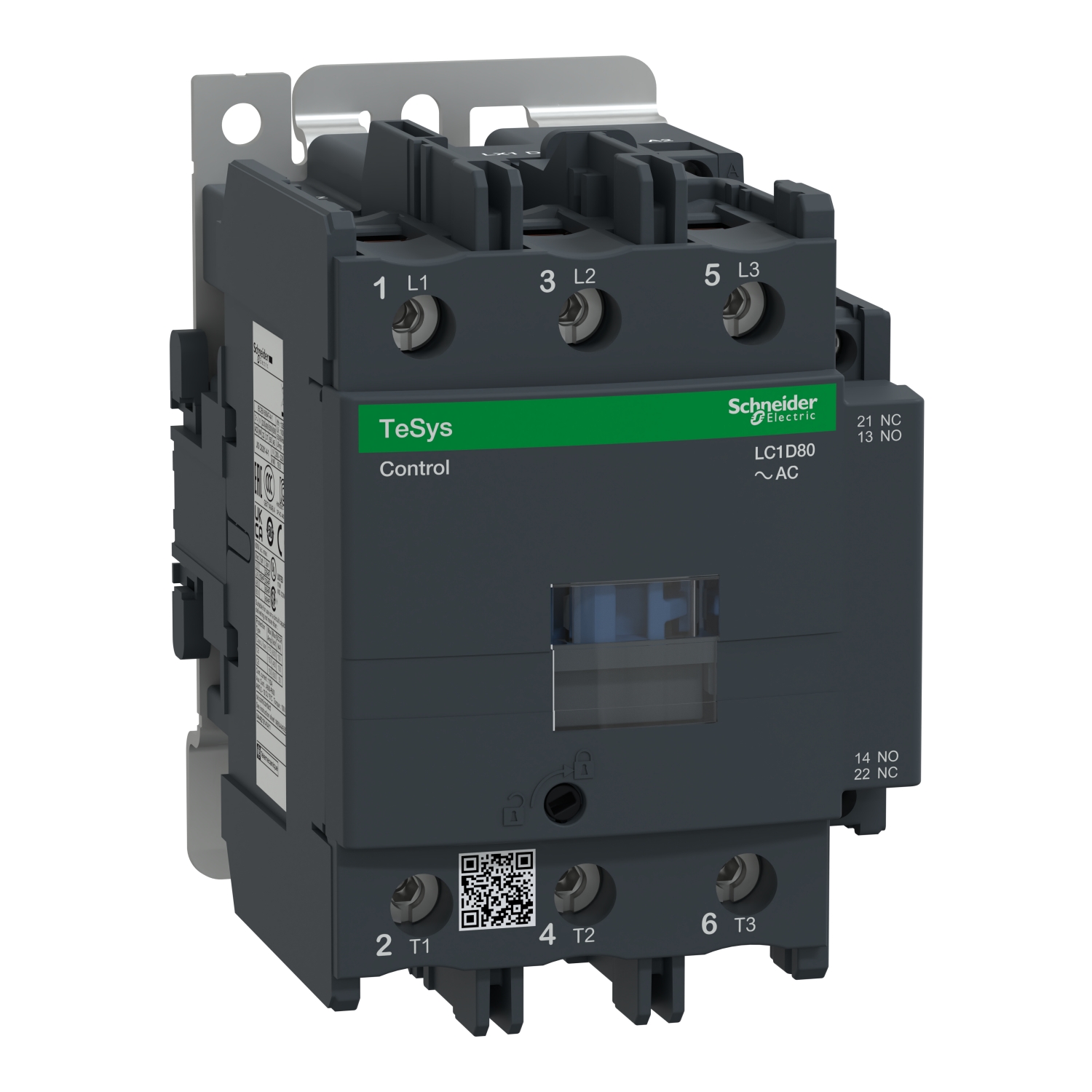
Schneider LC1D80B7 | TeSys D contactor – 3P(3 NO) – AC-3 – <= 440 V 80 A – 24 V AC 50/60 Hz coil
Schneider LC1D80B7 Contactor: Detailed Overview
The Schneider LC1D80B7 is a robust contactor designed for managing motor control and industrial load switching. It is highly reliable, efficient, and suitable for heavy-duty applications, making it an essential component in electrical control systems.
Technical Specifications
- Model Number: LC1D80B7
- Rated Current (AC-3): 80 A
- Voltage Rating:
- Coil Voltage: 24V AC
- Operating Voltage: Up to 690V AC
- Power Rating: Supports motors up to 37 kW at 400V
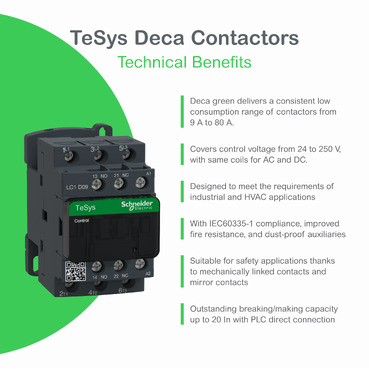
- Auxiliary Contacts: 1 NO (Normally Open) + 1 NC (Normally Closed)
- Frequency Range: 25 to 400 Hz
- Mounting Type: Suitable for DIN rail or panel mounting
- Dimensions: Compact design to fit modern control panels.
Key Features
- Durability and Reliability:
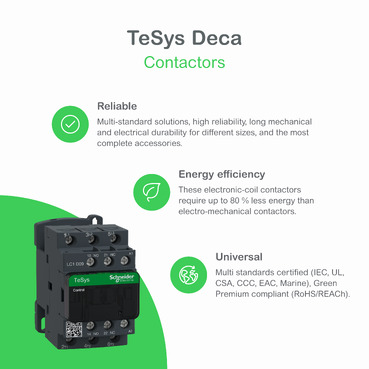
Designed for continuous operation under challenging industrial environments. - Energy Efficiency:
The energy-efficient coil minimizes power consumption, ensuring cost-effective operation. - Space Optimization:
Compact and lightweight, suitable for installations with limited space. - Compatibility:
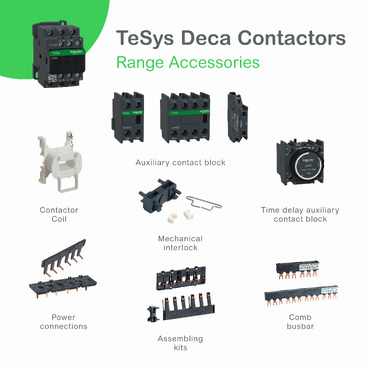
Works seamlessly with Schneider Electric auxiliary modules for enhanced functionality. - Safety Standards:
Meets international safety regulations, ensuring secure and reliable performance.
Applications
The Schneider LC1D80B7 is widely used in a variety of applications, including:
- Motor Control: Efficient control of motor starting, stopping, and reversing.
- Industrial Automation: Key component in systems requiring precise load management.
- HVAC Systems: Ensures smooth operation of heating, ventilation, and air conditioning units.
- Power Distribution Systems: Handles high loads effectively in factories and commercial setups.
Installation and Maintenance
- Installation Guidelines:
- Mount on a DIN rail or directly onto a panel using standard fittings.
- Verify the coil voltage matches the supply voltage before wiring.
- Maintenance Tips:
- Regularly inspect for debris or signs of wear to maintain functionality.
- Test auxiliary contacts periodically for consistent operation.