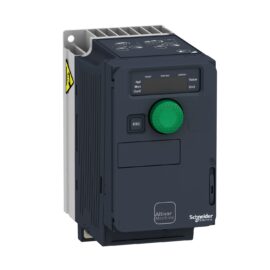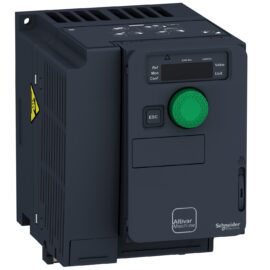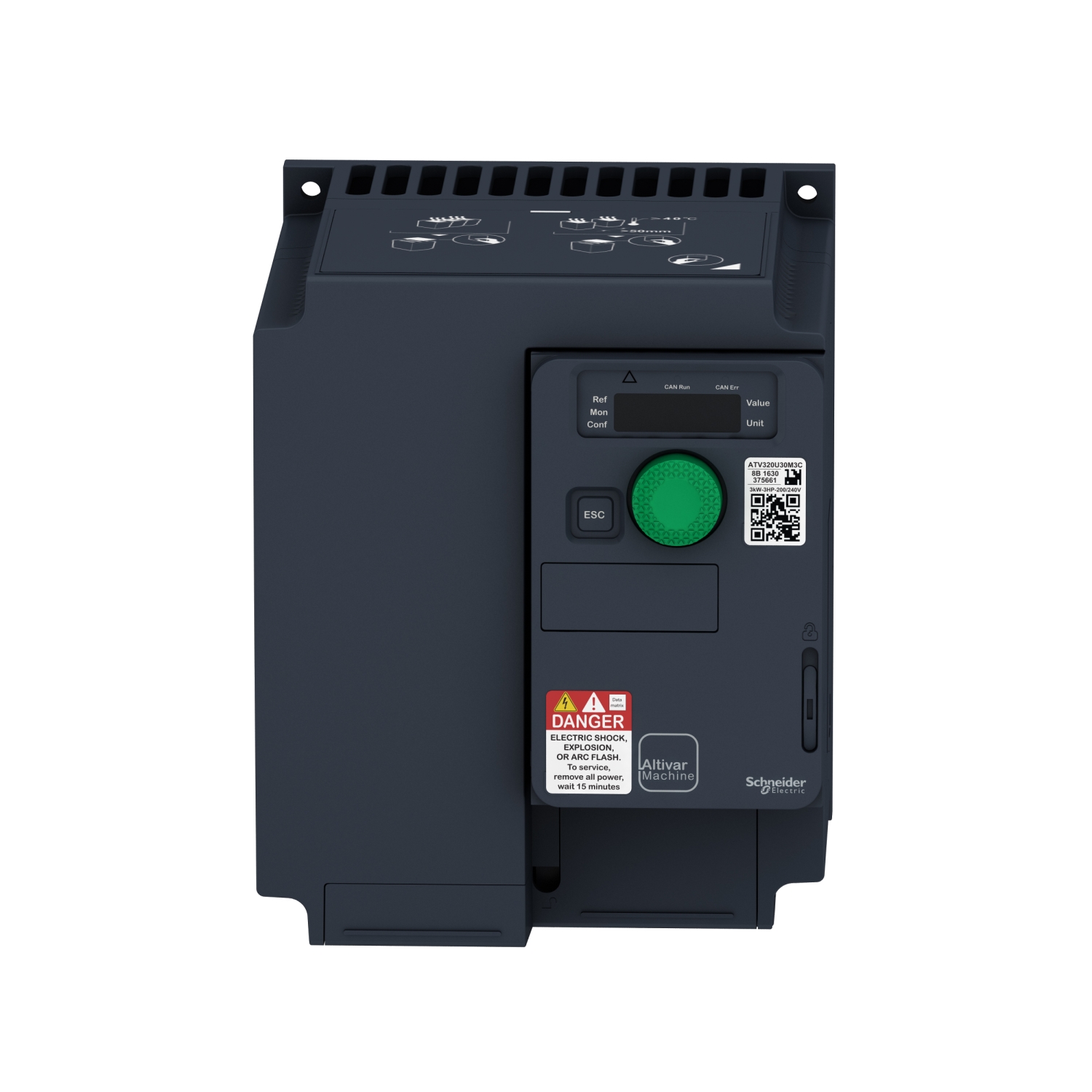
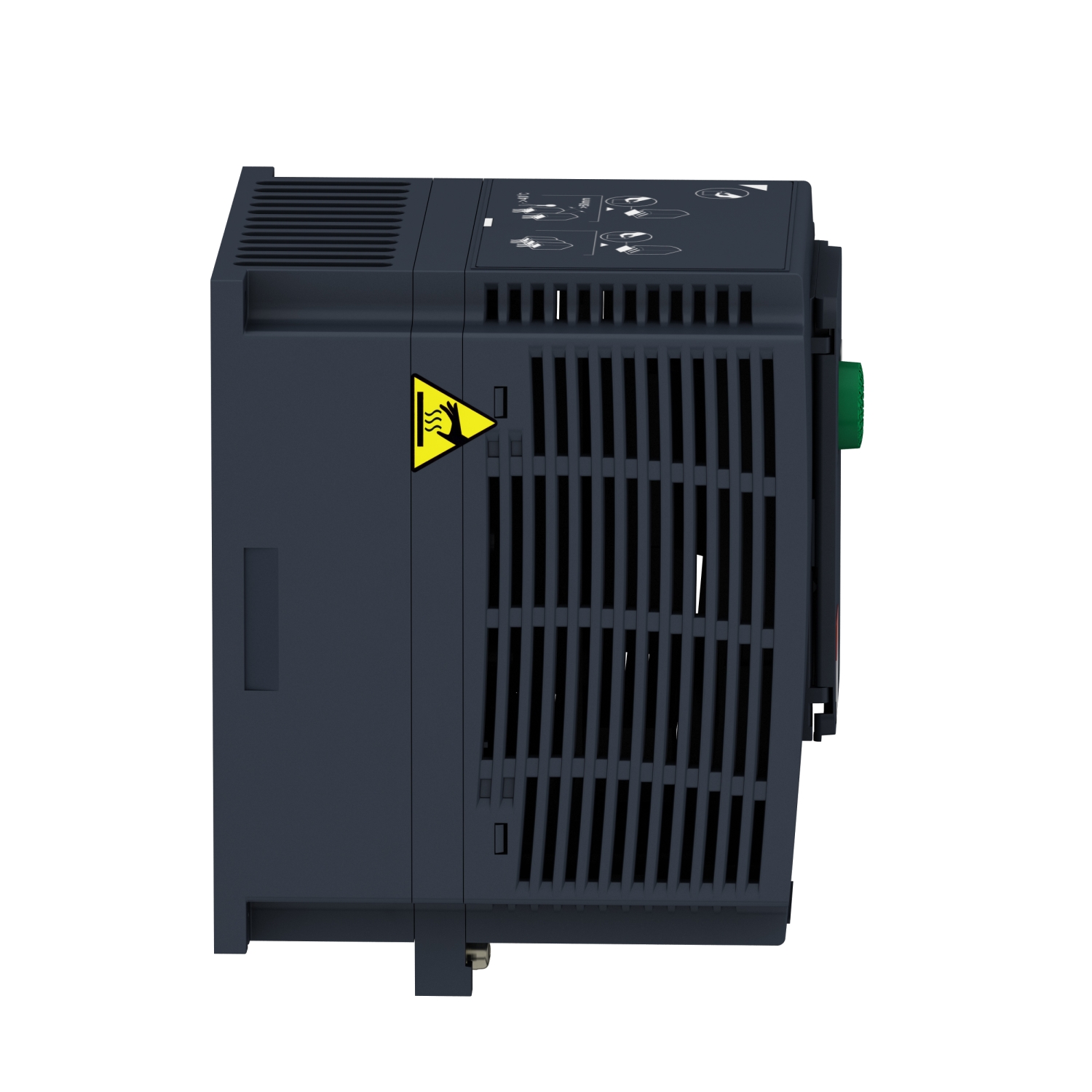
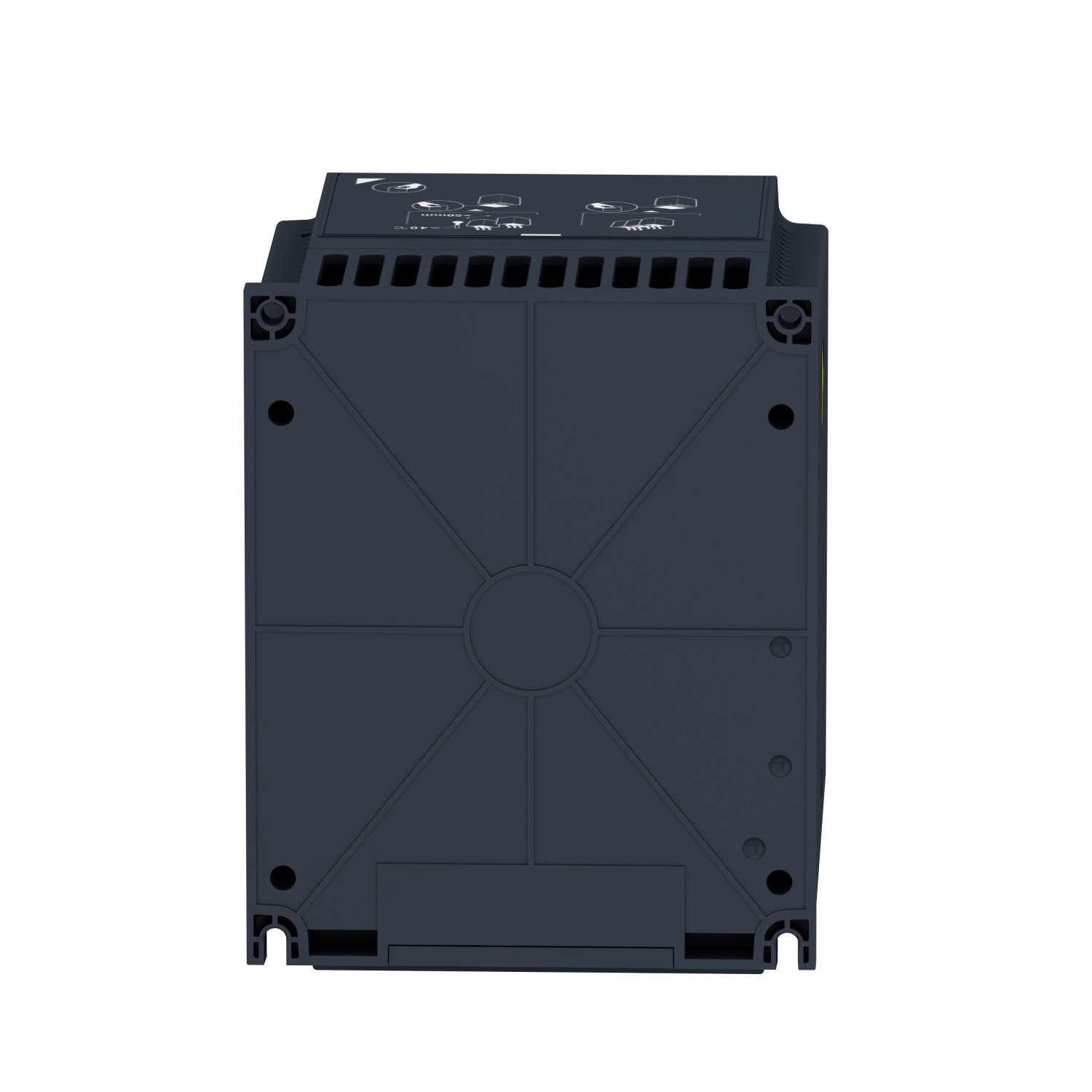
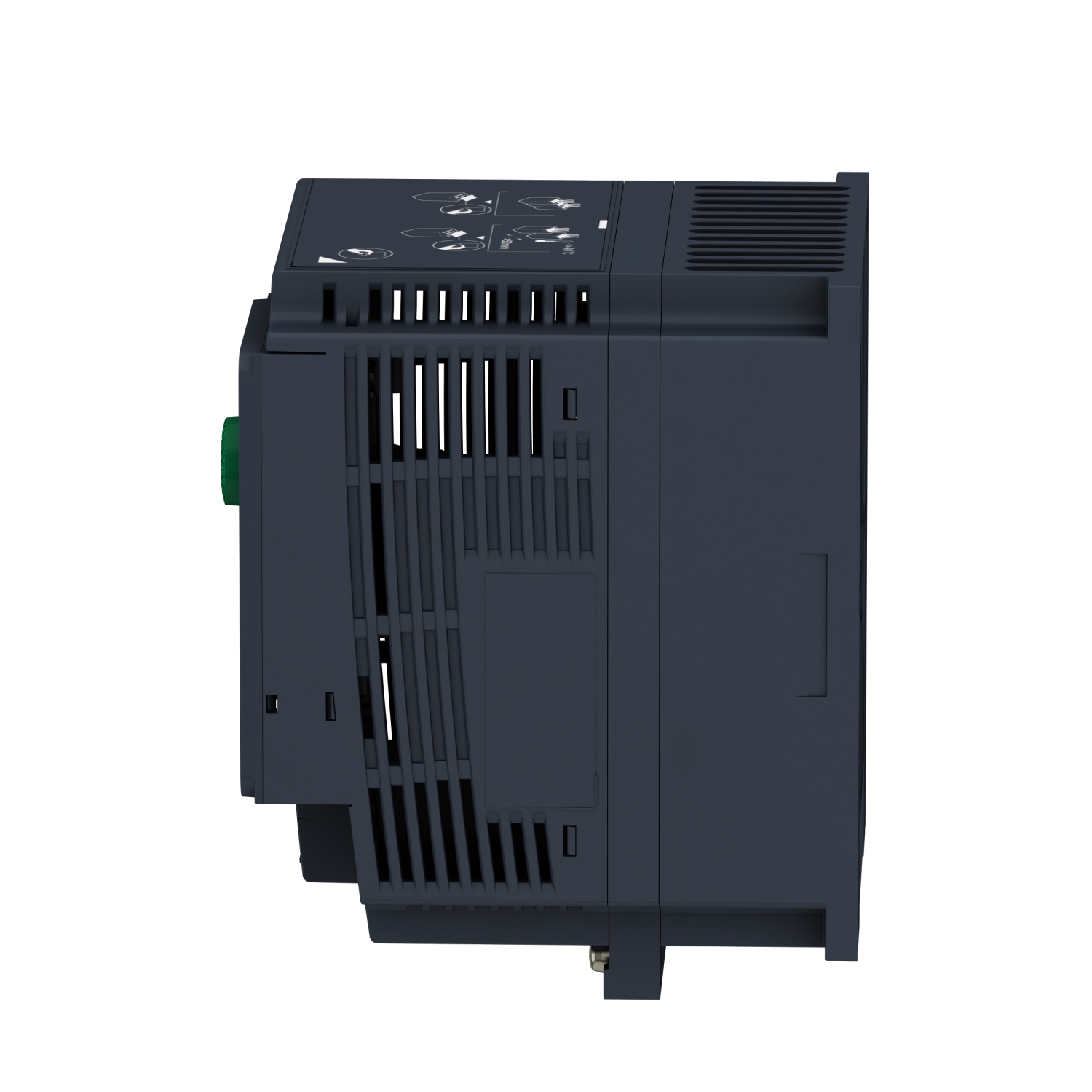
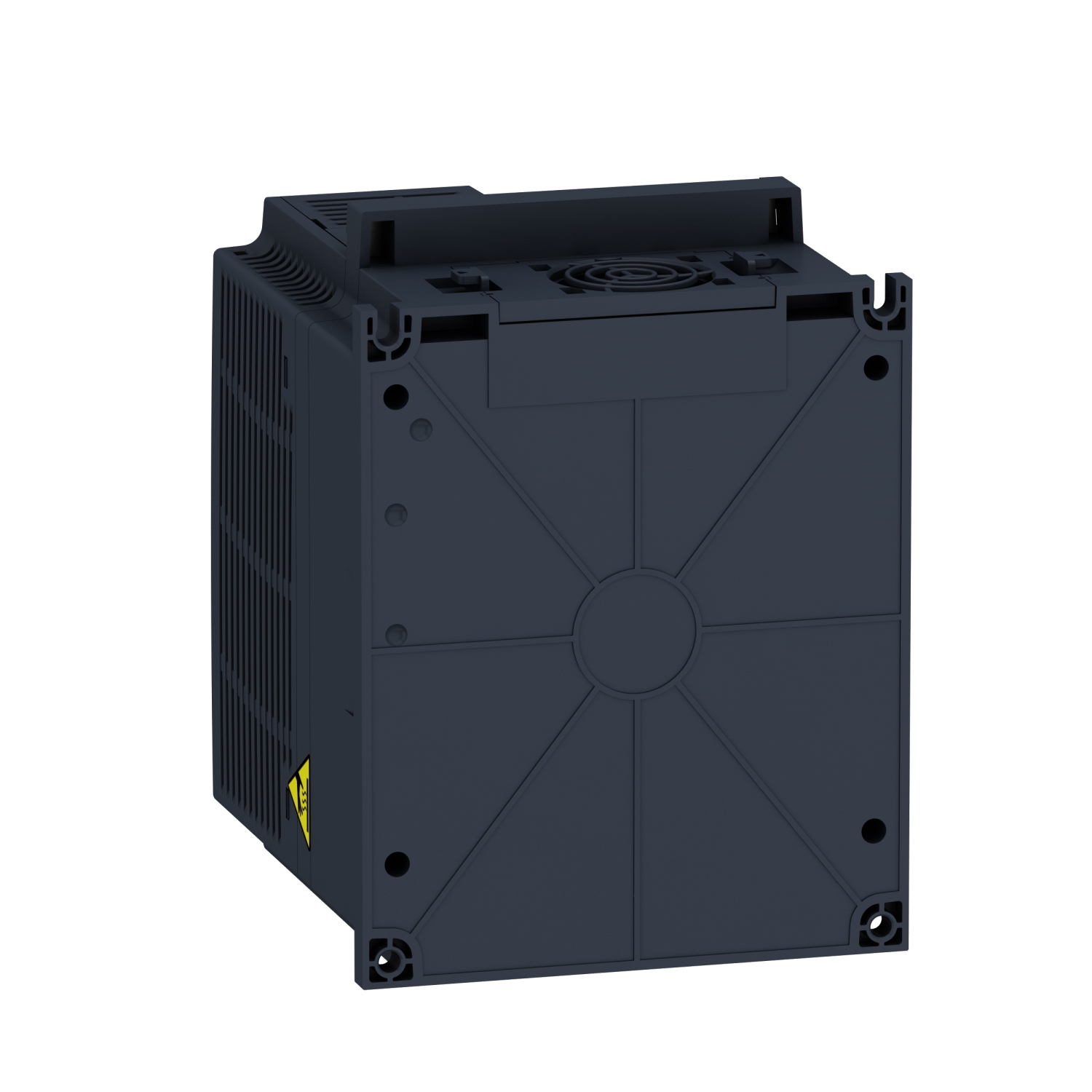
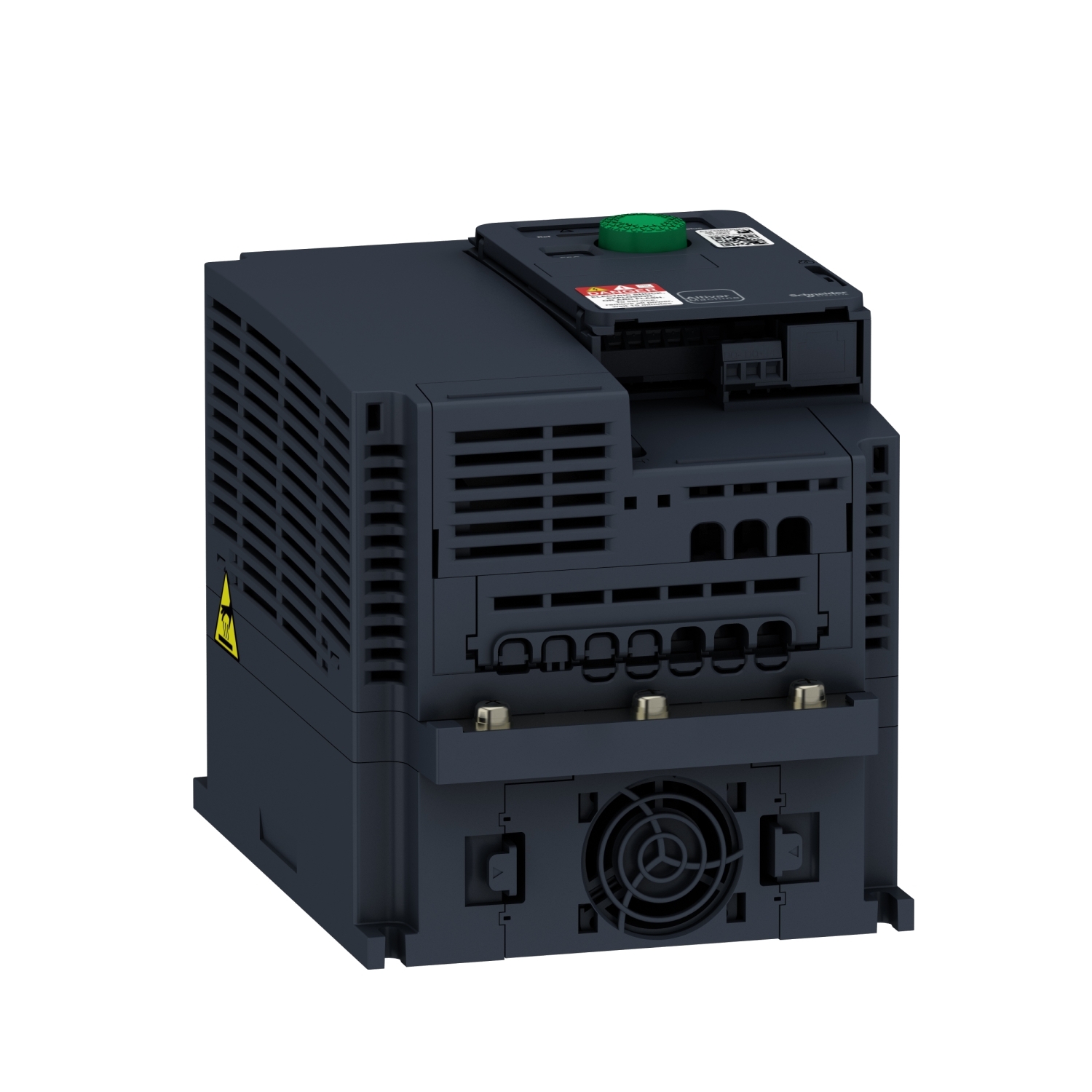
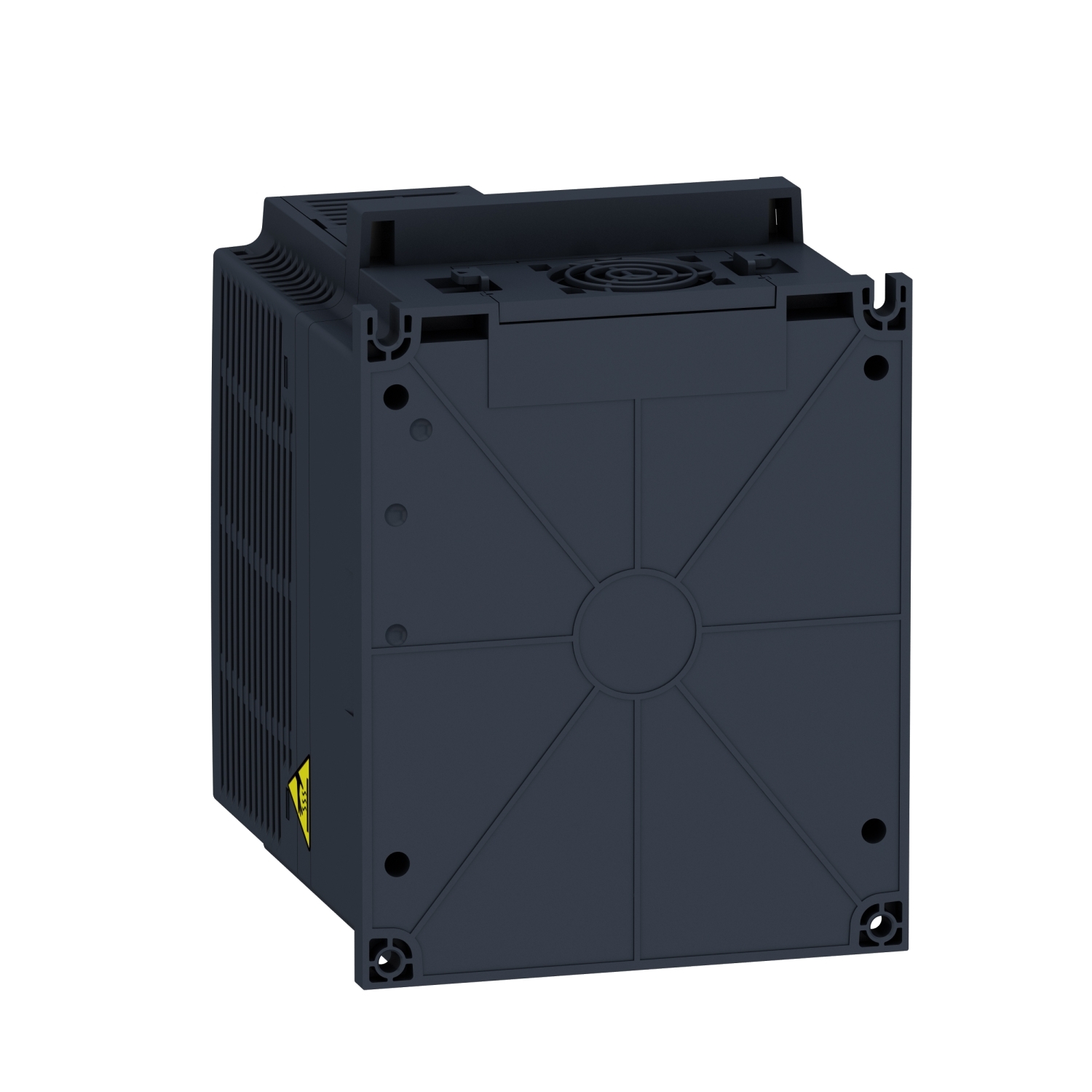
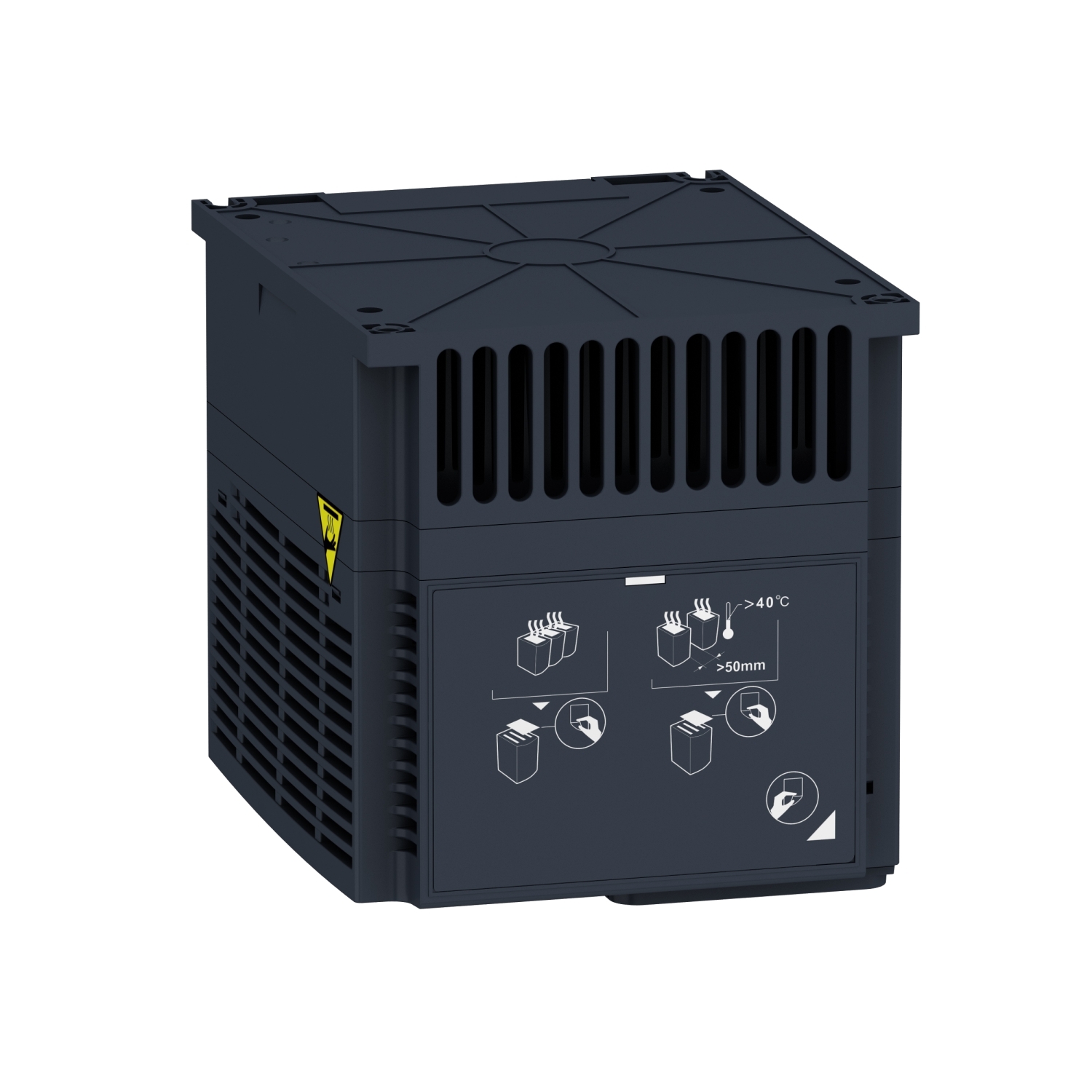
Schneider ATV320U40M3C ATV | Variable speed drive, Altivar Machine ATV320, 4 kW, 200…240 V, 3 phases, compact
Original price was: 43,400.00 EGP.27,211.80 EGPCurrent price is: 27,211.80 EGP.
Schneider ATV320U40M3C ATV
In stock

Description
Schneider ATV320U40M3C ATV: Revolutionizing Industrial Automation
In the realm of industrial automation, it stands out as a formidable solution for businesses seeking efficiency, reliability, and innovation. This advanced Variable Frequency Drive (VFD) from Schneider Electric boasts a range of features and capabilities designed to streamline operations across various industries.
Key Features
At the heart of it lies a host of cutting-edge features that elevate its performance and functionality. From precise motor control to energy efficiency enhancements, here are some key highlights:
- Precise Motor Control: it offers precise control over motor speed and torque, allowing for optimal performance in diverse applications.
- Energy Efficiency: With built-in energy-saving algorithms and advanced control mechanisms, this ATV helps businesses reduce energy consumption and lower operational costs.
- Compact Design: Despite its powerful capabilities, it maintains a compact footprint, making it suitable for installations where space is limited.
- Intuitive Interface: The intuitive user interface simplifies setup and operation, ensuring a seamless user experience for operators and maintenance personnel.
Technical Specifications
Power and Voltage Ratings
- Input Voltage: 380-500V, 50/60 Hz
- Output Power: 4 kW
- Output Voltage: 0-500V
Dimensions and Weight
- Dimensions (H x W x D): 246 mm x 129 mm x 195 mm
- Weight: 2.7 kg
Environmental Specifications
- Operating Temperature: -10°C to 50°C
- Storage Temperature: -25°C to 70°C
- Protection Rating: IP20
Applications and Industries
The versatility of it makes it suitable for a wide range of applications and industries, including:
- Manufacturing: Enhance production efficiency and process control in manufacturing plants.
- HVAC: Optimize energy usage and maintain precise environmental conditions in heating, ventilation, and air conditioning systems.
- Water and Wastewater: Improve pumping and filtration processes in water and wastewater treatment facilities.
Advantages of Using
- Improved Performance: it enhances equipment performance and reliability, reducing downtime and increasing productivity.
- Energy Savings: By optimizing motor speed and power consumption, businesses can achieve significant energy savings over time.
- Easy Integration: Seamless integration with existing automation systems simplifies installation and reduces implementation costs.
Installation and Setup Guide
To ensure optimal performance and safety, it is essential to follow the installation and setup guidelines provided by Schneider Electric. Here are some essential steps:
- Preparation: Gather all necessary tools and equipment before starting the installation process.
- Mounting: Securely mount it in a suitable location, ensuring proper ventilation and access for maintenance.
- Wiring: Connect the input and output power cables according to the provided wiring diagram, taking care to follow all safety precautions.
- Configuration: Use the intuitive interface to configure motor parameters and operating settings based on the specific requirements of your application.
Maintenance and Troubleshooting
Regular maintenance is essential to ensure the continued performance and reliability of it. Here are some maintenance tasks:
- Inspection: Regularly inspect it for any signs of damage or wear, and address any issues promptly.
- Cleaning: Keep the device clean and free of debris to prevent overheating and performance degradation.
- Software Updates: Stay up to date with the latest firmware updates and software patches to ensure optimal performance and security.
In the event of any issues or malfunctions, refer to the troubleshooting guide provided by Schneider Electric or consult with their technical support team for assistance.
Additional information
| Weight | 2.2 kg |
|---|---|
| brands | Schneider Electric |
Brand
Schneider Electric